Under-Eye Dark Circle Treatment
Fairfax & McLean, VA


Fairfax & McLean, VA
Bring Back a More Rested Look
Dark circles can make you look tired even when you feel completely fine. They might be caused by skin pigment, a hollow tear trough, or puffiness that creates a shadow under the eye. Often, several of these factors are present together. At Sculpt Aesthetics & Plastic Surgery, we carefully examine your under-eye area and recommend the treatment that best fits your skin and facial features.

Where Dark Circles Begin
A dark circle isn’t always caused by darker skin. Sometimes it’s a shadow, or it may be blood vessels showing through thin eyelid skin. Understanding the cause makes it easier to choose the right treatment.
Brown or gray circles under the eyes usually mean there is extra pigment in the skin, called periorbital hyperpigmentation. Genetics can be a factor, and it’s more common in people with darker skin tones. Sun exposure can make the color deeper, and eczema, allergies, or frequent eye rubbing can cause inflammation and discoloration.
Blue or purple circles often appear when blood vessels show through the skin under the eyes. This skin is naturally thin and gets thinner as collagen decreases with age. Allergies and congestion can make the vessels stand out more and cause puffiness.
The tear trough is the groove that starts at the inner corner of the eye and goes toward the upper cheek. Some people have a naturally deeper groove, while for others it becomes more noticeable as they lose facial volume.
A hollow area can look dark because of how light falls on it. Even if the skin color is even, the shadow can still make the eyes look tired. If the darkness changes with different lighting, lost volume is likely a factor.
Puffy eyes can create shadows of their own. As we age, fat pads in the lower eyelid can become more noticeable and the skin may lose support. The fullness above the shadow makes the area below look darker. Adding filler under a noticeable bag can make the area look heavier, so we always check the lower eyelid structure before suggesting injectable fillers.
Poor sleep can make dark circles more noticeable, but it’s rarely the only cause. Stress, dehydration, smoking, and drinking too much alcohol can also affect how the under-eye area looks. These habits usually make existing issues stand out more, rather than cause deep tear troughs or lasting pigmentation by themselves.
The best treatment for under-eye dark circles depends on what is causing them. Our experienced team can treat lost volume, skin quality, and structural changes with non-surgical options. Your provider may recommend one treatment or a combination based on your under-eye anatomy and skin.
Under-eye filler is popular, but it serves a specific purpose. It restores volume in a hollow tear trough, helping light fall more evenly from the lower eyelid to the cheek. This can reduce shadows and give a refreshed look soon after treatment.
Most tear trough fillers use hyaluronic acid. We use a careful approach because the skin here is delicate, and too much filler can cause puffiness. People with large bags, ongoing swelling, or very thin skin may do better with other treatments.
Under-eye dermal fillers can last from about six months to two years, depending on the product and the individual. We offer this treatment at our Fairfax and McLean locations.
PRP and PRF treatments use parts of your own blood to help renew tissue. After preparation, the plasma or fibrin is placed in the treatment area to boost collagen production. PRF works more slowly than filler. It can help with thin, crepey skin and early hollowing, but results appear over several weeks as collagen builds. Most people need a series of treatments instead of just one. PRP/PRF is available in Fairfax and McLean.
If you have brown or gray discoloration, your plan might include medical-grade skincare or a professional treatment. Vitamin C and prescription retinoids can help lighten some pigment changes over time. Eye creams with caffeine can shrink blood vessels for a few hours, which may reduce puffiness and make vascular circles less noticeable.
Chemical peels and laser treatments can also help with pigmentation or sun damage for the right patients. Laser therapy can improve skin texture and, depending on the device, make pigment or blood vessels less visible. Microneedling is another option to boost collagen and improve skin quality.
The under-eye area is delicate, so we select products and procedures based on your skin tone, sensitivity, and pigmentation history.
SmoothEye® uses the Fotona laser to gently tighten and rejuvenate the delicate eyelid skin. By stimulating new collagen, it can improve fine lines, wrinkles, skin texture, and mild puffiness, helping the eyes look smoother and more refreshed. Results develop over several weeks with minimal recovery time. SmoothEye is offered at our McLean location.

A hollow tear trough can often be improved with filler, while thin skin above it may respond better to PRF or another treatment that supports collagen. SmoothEye may also be included when thin or crepey eyelid skin, fine lines, or mild puffiness contribute to the tired appearance. We plan each step carefully so the final result looks natural and balanced.

Subtle Changes, Brighter Eyes
Based on your treatment plan, under-eye rejuvenation may:

A Few Good Habits Can Help
Home remedies work best for temporary puffiness and mild discoloration. A cold compress can shrink blood vessels and reduce swelling. Chilled cucumber slices have a similar cooling effect, but neither will change a hollow tear trough.
Try to get seven to eight hours of sleep and keep your head slightly raised if you wake up with puffy eyes. Staying hydrated helps your skin, and limiting alcohol can prevent dehydration. Using sunscreen and sunglasses every day protects the eye area from sun exposure that can make pigmentation worse.
Skincare can improve color and skin quality, but it can’t reshape fat pads or restore lost volume. If eye creams have done all they can, a professional assessment can help you find out what is causing the darkness.
At Sculpt Aesthetics, every treatment is a personalized experience designed around you, your goals, and your confidence.
The Details That Guide Your Care
During your consultation, we examine the under-eye area in different lighting and see how it connects to the cheek. Your provider will check skin color, tear trough depth, puffiness, eyelid skin quality, and where the fat pads are located.
We will also ask about allergies, medications, past fillers, and whether you tend to swell or bruise. After that, we will explain your treatment options and set realistic expectations. If SmoothEye is recommended, treatment is performed at our McLean location.
Give the Area Time to Settle
Filler and PRP/PRF treatments can cause temporary bruising or swelling. Using cold compresses and sleeping with your head raised can help reduce swelling. Chemical peels and laser treatments may cause redness or flaking. SmoothEye typically requires minimal downtime, although mild redness or swelling may occur.
We’ll give you clear aftercare instructions for your procedure. It’s a good idea to allow extra time before a wedding, vacation, or any event where you will be photographed.

Care for a Delicate Area
Dark circles are usually a cosmetic issue, not a medical problem. You should contact a doctor if the discoloration appears suddenly, gets worse, or affects only one eye. Ongoing swelling on one side, pain, or vision changes should also be checked before any cosmetic treatment.
A Brighter Look Begins Here
If your eyes look tired even when you feel rested, Sculpt Aesthetics can help you find out why. Request a consultation in Fairfax or McLean to discover an under-eye dark circle treatment that matches your skin, anatomy, and goals. Fotona SmoothEye treatment is available at our McLean location.
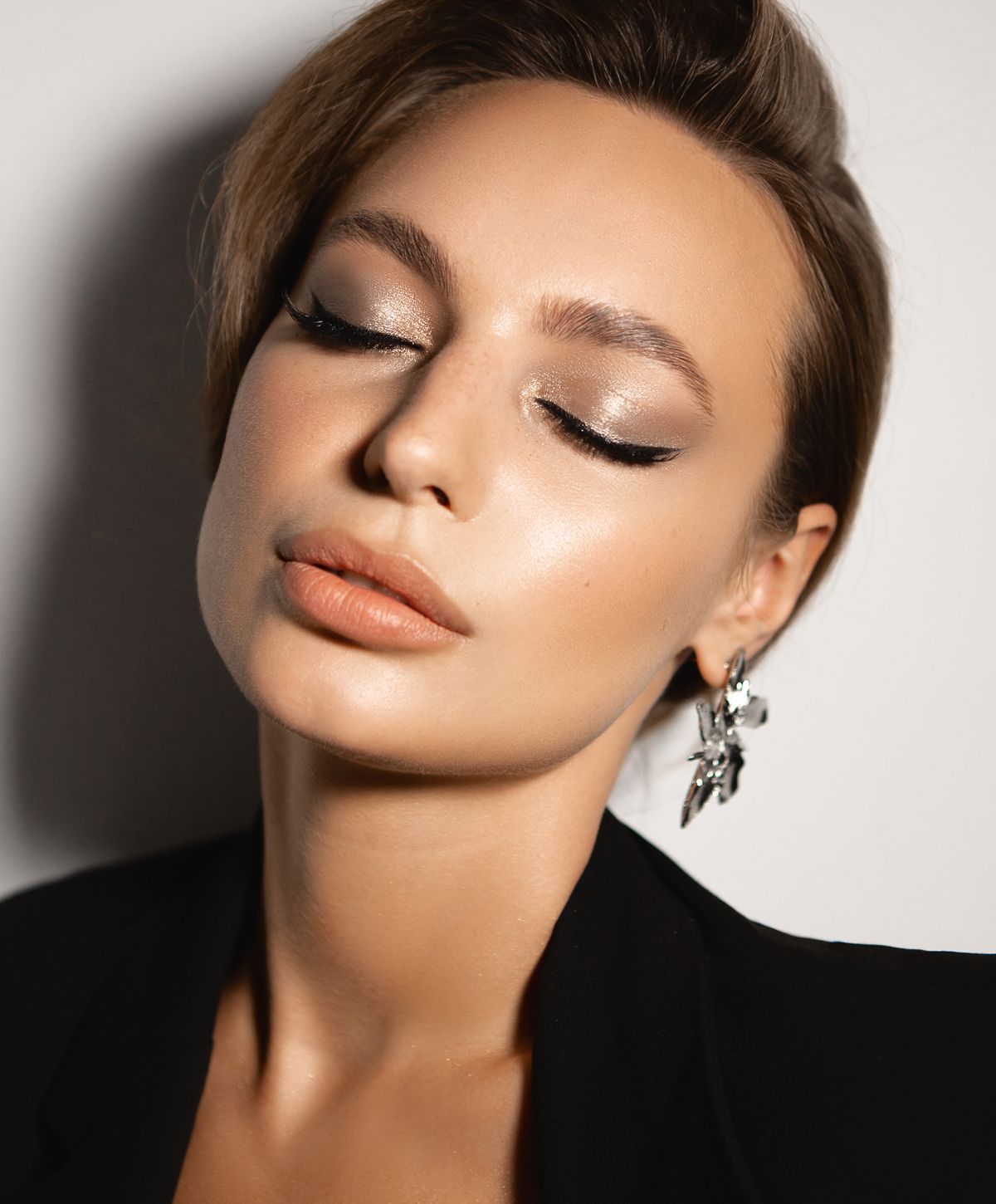
Filler works well for tear trough shadows, PRP/PRF supports thin skin, and pigment-focused treatments address brown discoloration. The right choice depends on the cause.
No. Under-eye filler treats hollowing and volume loss. It doesn’t directly lighten pigmentation or remove lower-eyelid bags.
Pigmentation tends to remain visible in different lighting. A tear trough shadow changes as light moves across the face. Many patients have both, so an in-person examination is helpful.
Yes, with the right treatment plan. Some chemical peels and laser treatments carry a higher risk of pigment changes in darker skin tones, so the product, device, and settings must be chosen with care.
Results depend on the cause. Surgery can provide long-lasting structural correction, while filler and PRP/PRF require maintenance. Pigmentation may return with sun exposure or ongoing irritation.
Looking to enhance your natural beauty with expert surgical and non-surgical treatments? Our experienced team is here to provide personalized recommendations tailored to your goals. Fill out the form below, and a member of our team will be in touch to assist you.

McLean Location (703) 278-3303
6849 Old Dominion Drive, Suite 340
McLean, VA 22101
Practice Hours:
Tues-Fri 9 AM - 5 PM
Saturday 9 AM - 1 PM